BTech Mechanical Engineering

Mechanical Engineering

BTech in Mechanical Engineering

Mechanical Engineering covers the principles of design, manufacturing, and energy systems. This department trains students in areas like thermodynamics, robotics, and materials science, preparing them for diverse careers in automotive, aerospace, and industrial engineering.

To provide outcome-based education to address the mechanical engineering challenges with science and technology through integrated approach to research, interdisciplinary collaborations with institutions and industries to foster the needs of the society.

  1. To generate new knowledge by engaging in cutting-edge research and to promote academic growth and industry needs in the areas of materials and manufacturing, design and analysis, thermal power engineering, automobile engineering and industrial management.
  2. To create an environment for enhancing the capabilities of graduates to build their career in industries, academia, research, entrepreneurship skills and government organizations.
  3. To advance the knowledge in the areas of mechanical engineering with lifelong learning capability as per the needs of the society and welfare of humanity.

Graduates will

  • Apply the knowledge of mathematics and engineering sciences for societal need.
  • Design mechanical engineering components and systems, manufacture and test quality, economically and environment friendly.
  • Successfully use modern software tools for design and analysis, and manage engineering teams with effective communication and professional ethics.
  • Develop lifelong learning skills, entrepreneurial abilities and ethical values for a successful professional career.
  1. Engineering Knowledge: Apply knowledge of mathematics, natural science, computing, engineering fundamentals and an engineering specialization as specified in WK1 to WK4 respectively to develop to the solution of complex engineering problems. 
  2. Problem Analysis: Identify, formulate, review research literature and analyze complex engineering problems reaching substantiated conclusions with consideration for sustainable development. (WK1 to WK4) 
  3. Design/Development of Solutions: Design creative solutions for complex engineering problems and design/develop systems/components/processes to meet identified needs with consideration for the public health and safety, whole-life cost, net zero carbon, culture, society and environment as required. (WK5) 
  4. Conduct Investigations of Complex Problems: Conduct investigations of complex engineering problems using research-based knowledge including design of experiments, modelling, analysis & interpretation of data to provide valid conclusions. (WK8).
  5. Engineering Tool Usage: Create, select and apply appropriate techniques, resources and modern engineering & IT tools, including prediction and modelling recognizing their limitations to solve complex engineering problems. (WK2 and WK6) 
  6. The Engineer and The World: Analyze and evaluate societal and environmental aspects while solving complex engineering problems for its impact on sustainability with reference to economy, health, safety, legal framework, culture and environment. (WK1, WK5, and WK7). 
  7. Ethics: Apply ethical principles and commit to professional ethics, human values, diversity and inclusion; adhere to national & international laws. (WK9)
  8. Individual and Collaborative Team work: Function effectively as an individual, and as a member or leader in diverse/multi-disciplinary teams. 
  9. Communication: Communicate effectively and inclusively within the engineering community and society at large, such as being able to comprehend and write effective reports and design documentation, make effective presentations considering cultural, language, and learning differences 
  10. Project Management and Finance: Apply knowledge and understanding of engineering management principles and economic decision-making and apply these to one’s own work, as a member and leader in a team, and to manage projects and in multidisciplinary environments.
  11. Life-Long Learning: Recognize the need for, and have the preparation and ability for i) independent and life-long learning ii) adaptability to new and emerging technologies and iii) critical thinking in the broadest context of technological change.

Mechanical Engineering graduate will be able to:

  1. Make components using various manufacturing methods and machines components and systems, manufacture and test quality, economically and environment friendly.
  2. Use relevant software and modern tools and techniques to design, manufacture and solve complex mechanical engineering problems.
  3. Provide solutions to multi -disciplinary engineering areas by applying the skills and knowledge of the mechanical engineering discipline.

Mechanical Engineering is the backbone of industrial innovation, focusing on the design and optimisation of mechanical systems. The department offers a blend of theoretical and practical knowledge in areas such as robotics, energy systems, and materials science. Modern labs and project-based learning encourage creativity and innovation. Students explore cutting-edge fields like 3D printing, renewable energy, and automation, equipping them to address global challenges and meet industry demands. Graduates are well-prepared for impactful roles in manufacturing, research, and design.

The curriculum includes foundational topics like engineering mechanics, thermodynamics, and machine design, with advanced courses in robotics, CAD/CAM, and renewable energy systems. Practical learning includes workshops, industry visits, and projects in collaboration with companies. A focus on sustainability and innovation ensures students are ready to lead in diverse sectors.

  • Automotive Engineer
  • Aerospace Engineer
  • Robotics Specialist
  • Industrial Designer
  • Renewable Energy Consultant
  • Manufacturing Engineer
  • Research and Development Engineer
  • SUVIN PHILIP
    2022
    Wipro
    KEVIN SHIBU
    2020
    BIMLABS
    Kochi
    VINAYAK P V
    2023
    Stanadyne India
    Chennai
    ROBIN VARGHESE
    2023
    Stanadyne India
    Chennai
    KEVIN ROY
    2023
    Stanadyne India
    Chennai
    JEBIN THANKACHAN PHILIP
    2023
    Stanadyne India
    Chennai
    KRISHNANUNNI K A
    2023
    Stanadyne India
    Chennai
    MURALI KRISHNA
    2023
    Stanadyne India
    Chennai
    AKASH S KUMAR
    2023
    Stanadyne India
    Chennai

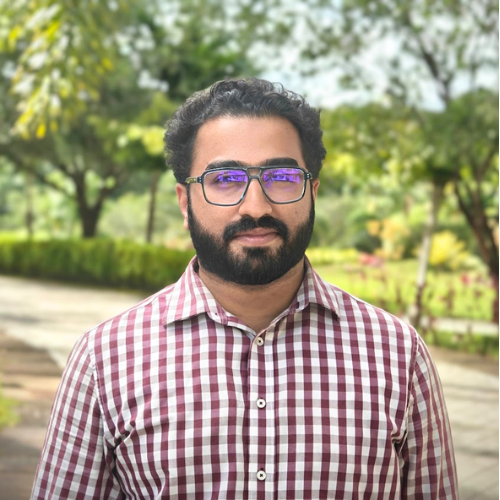
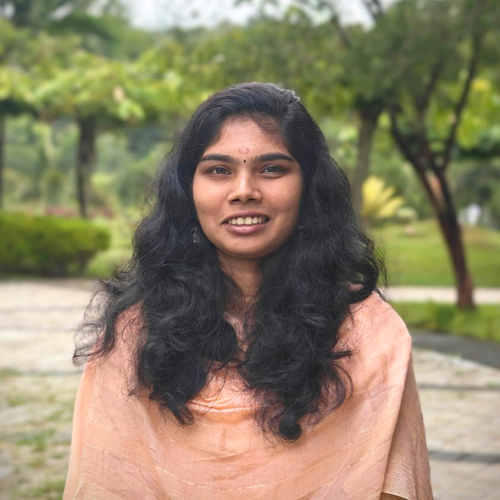
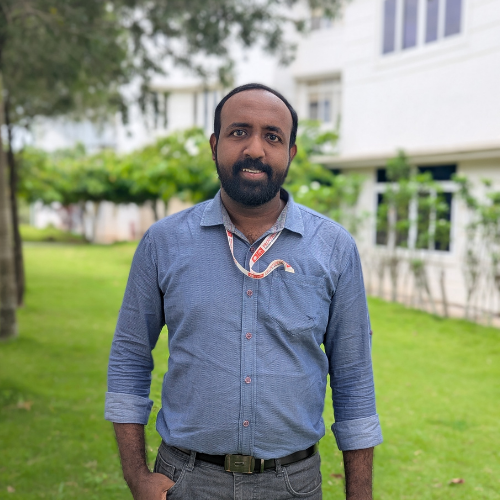
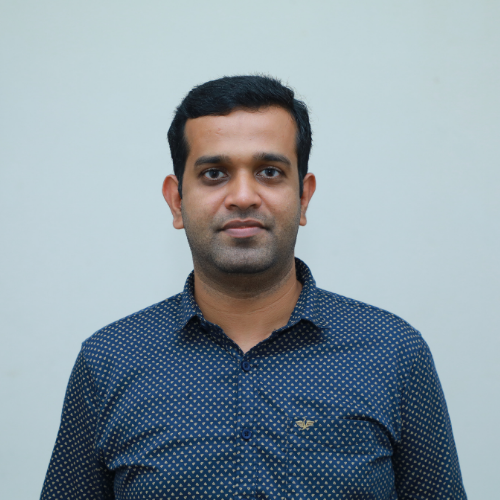
    Meet The Team

    Akhil S Prasad
    Assistant Professor
    BTech
    MTech
    Pursuing PhD
    Faculty Advisor
    Dr. Anoop PS
    Associate Professor
    BTech
    MTech
    PhD
    Head (Administration)
    Jerrin Joy Varughese
    Assistant Professor
    BTech
    ME
    Pursuing PhD
    Head (Student Affairs)
    Dr. Nivin Chacko
    Associate Professor
    BTech
    MTech
    PhD
    Head of Examination Cell
    Regi T Samuel
    Technician
    Roshbe Calolsa
    Assistant Professor
    BTech
    MTech
    Pursuing PhD
    Faculty Advisor
    Sudhish R
    Assistant Professor
    BTech
    ME
    Pursuing PhD
    Head of Department
    Tino Joe Tenson
    Assistant Professor
    BTech
    MTech
    Faculty Advisor
    Venu A Nair
    Technician
    Dr. Vineesh Vishnu
    Associate Professor
    PhD